
Introduction: More Than Just a Sport
Rugby is not merely a game of brute strength and speed; it is a culture, a tradition, and for many, a way of life. Born in the English town of Rugby during the early 19th century, this high-octane sport has since evolved into a global phenomenon, captivating millions with its unique combination of discipline, camaraderie, and athletic prowess. Despite its physical intensity, rugby remains deeply rooted in the principles of respect, sportsmanship, and mutual admiration — both among teammates and opponents.
The Origins: A Game of Tradition and Evolution
The sport of rugby traces its origins back to 1823 when, according to legend, a schoolboy named William Webb Ellis picked up a soccer ball and ran with it during a match at Rugby School in Warwickshire, England. While this account may blend myth and fact, it underscores the sport’s historical depth and traditional foundation.
Two main forms of the game emerged over time:
-
Rugby Union: Played with 15 players per team, it is the more traditional and widely followed version.
-
Rugby League: A variant featuring 13 players, offering faster gameplay and fewer set pieces.
Both codes share similar fundamentals but differ in rules, tactics, and gameplay structures.
The Global Spread of Rugby
Rugby has grown well beyond British shores. Its global presence is particularly strong in:
-
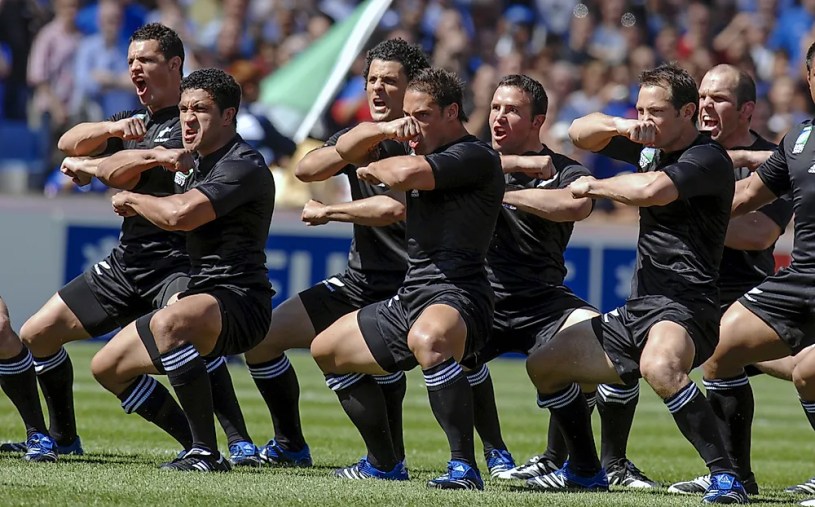
New Zealand: Home to the revered All Blacks, a team known for their dominance and the pre-match haka.
-
South Africa: With a rich and complex history, the Springboks symbolize national pride and post-apartheid unity.
-
Australia, England, Wales, Ireland, and France: All with deep-rooted rugby cultures and fiercely competitive national leagues.
-
Emerging Nations: Japan, Georgia, Fiji, and Argentina have risen to prominence, showcasing the sport’s growing international appeal.
The Rugby World Cup, held every four years, is the pinnacle of international competition, bringing nations together in a spirited celebration of strength, strategy, and solidarity.
Core Values: The Spirit of Rugby
Unlike many modern sports, rugby places an unwavering emphasis on character and conduct. The World Rugby Charter outlines five core values that underpin the game:
-
Integrity: Fair play and honesty are non-negotiable.
-
Passion: The love of the game fuels every tackle, pass, and sprint.
-
Solidarity: Rugby builds lifelong bonds within and beyond teams.
-
Discipline: Essential for both safety and competitive integrity.
-
Respect: For teammates, opponents, referees, and the game itself.
These values manifest on and off the field, making rugby a sport that teaches life lessons alongside athletic skills.
The Anatomy of the Game
Rugby is often misunderstood as simply a collision sport, but it is a nuanced contest of strategy, endurance, and teamwork. A standard match consists of two 40-minute halves with continuous play and minimal stoppages. Here’s a quick breakdown of the key elements:
Key Positions:
-
Forwards: Typically larger, responsible for scrums, line-outs, and physical contests.
-
Backs: Faster and more agile, handling open play and scoring opportunities.
Phases of Play:
-
Scrum: A structured contest for possession, involving the forward packs.
-
Line-out: A method of restarting play when the ball has gone out of bounds.
-
Rucks and Mauls: Physical battles on the ground for ball retention.
Scoring System:
-
Try (5 points): Grounding the ball in the opponent’s in-goal area.
-
Conversion (2 points): Kicking the ball through the goalposts after a try.
-
Penalty Kick (3 points): For infractions by the opposing team.
-
Drop Goal (3 points): A kicked goal during open play.
The Physical and Mental Demands
Rugby is a full-contact sport that tests the limits of both physical and mental endurance. Players must possess:
-
Strength and Conditioning: To handle tackles and rucks.
-
Agility and Speed: Especially crucial for backs and wingers.
-
Tactical Awareness: Understanding formations, opponent tendencies, and split-second decision-making.
-
Resilience: Injuries are common, but so is the mental fortitude required to return stronger.
In addition to the physical grind, elite rugby players must also exhibit high emotional intelligence — maintaining composure under pressure and leading with integrity.
Rugby and Community: A Sport that Connects
Perhaps one of rugby’s most endearing qualities is its sense of community. From grassroots clubs to international arenas, the rugby fraternity is known for inclusivity and fellowship. After fierce matches, it is common for teams to share meals, laughter, and stories — a tradition known as the “third half.”
Rugby also excels in outreach initiatives, with programs that:
-
Encourage youth participation in underprivileged areas.
-
Promote gender equality through women’s rugby.
-
Support adaptive forms like wheelchair and mixed-ability rugby.
These efforts underscore rugby’s potential not just as a sport, but as a tool for social change and human connection.
The Rise of Women’s Rugby
Women’s rugby has grown exponentially in recent years, breaking stereotypes and barriers. Competitions like the Women’s Rugby World Cup and the Six Nations Championship now draw global audiences and top-tier athleticism.
Players such as Portia Woodman (New Zealand), Emily Scarratt (England), and Magali Harvey (Canada) have become role models for a new generation of female athletes, inspiring broader participation and recognition.
Looking Ahead: Rugby’s Future
As rugby continues to expand its global reach, several trends and innovations are shaping its future:
-
Technology in Officiating: The use of TMO (Television Match Official) for better decision-making.
-
Player Safety Protocols: Emphasis on concussion awareness and safer tackling techniques.
-
Global Development Initiatives: World Rugby’s investment in growing the sport in Asia, Africa, and the Americas.
-
Olympic Exposure: Rugby Sevens’ inclusion in the Olympic Games has introduced the sport to broader, younger audiences.
Conclusion: The Heartbeat of Respect and Resilience
Rugby is not just about winning or scoring tries; it’s about the values it instills and the communities it builds. In a world often driven by individualism, rugby remains a bastion of teamwork, integrity, and mutual respect. Whether played in a muddy village field or a packed international stadium, rugby teaches its players and fans that true strength lies in unity, honor, and relentless spirit.
In the words often echoed by players and coaches alike: “It’s not just a game. It’s rugby
 Globals Sport